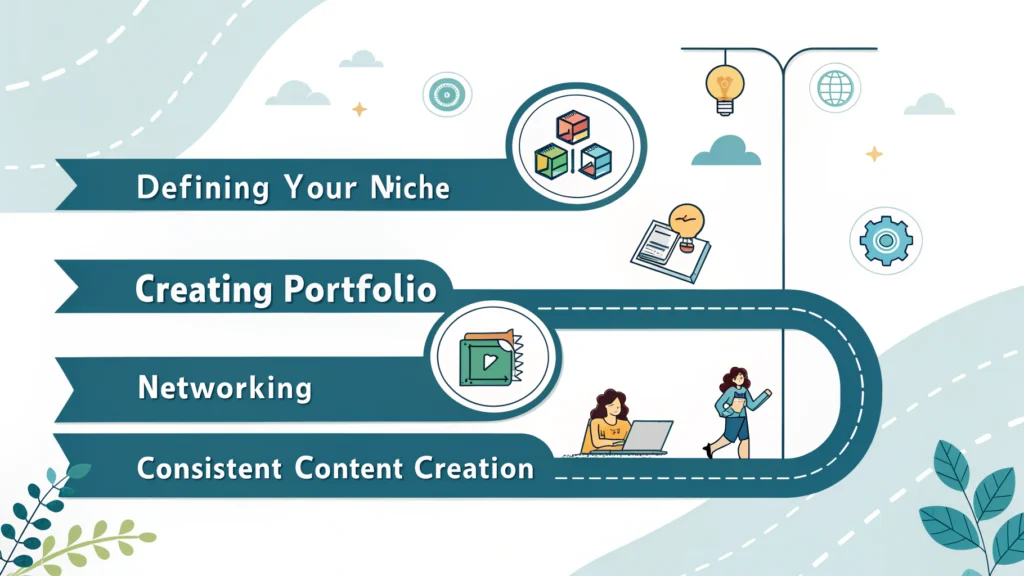
In today’s competitive freelance landscape, establishing a strong personal brand is essential for attracting clients and standing out from the crowd. A personal brand is not just about having a logo or a catchy tagline; it’s about creating a unique identity that resonates with your target audience. This article will guide you through the steps to build a compelling personal brand as a freelancer.
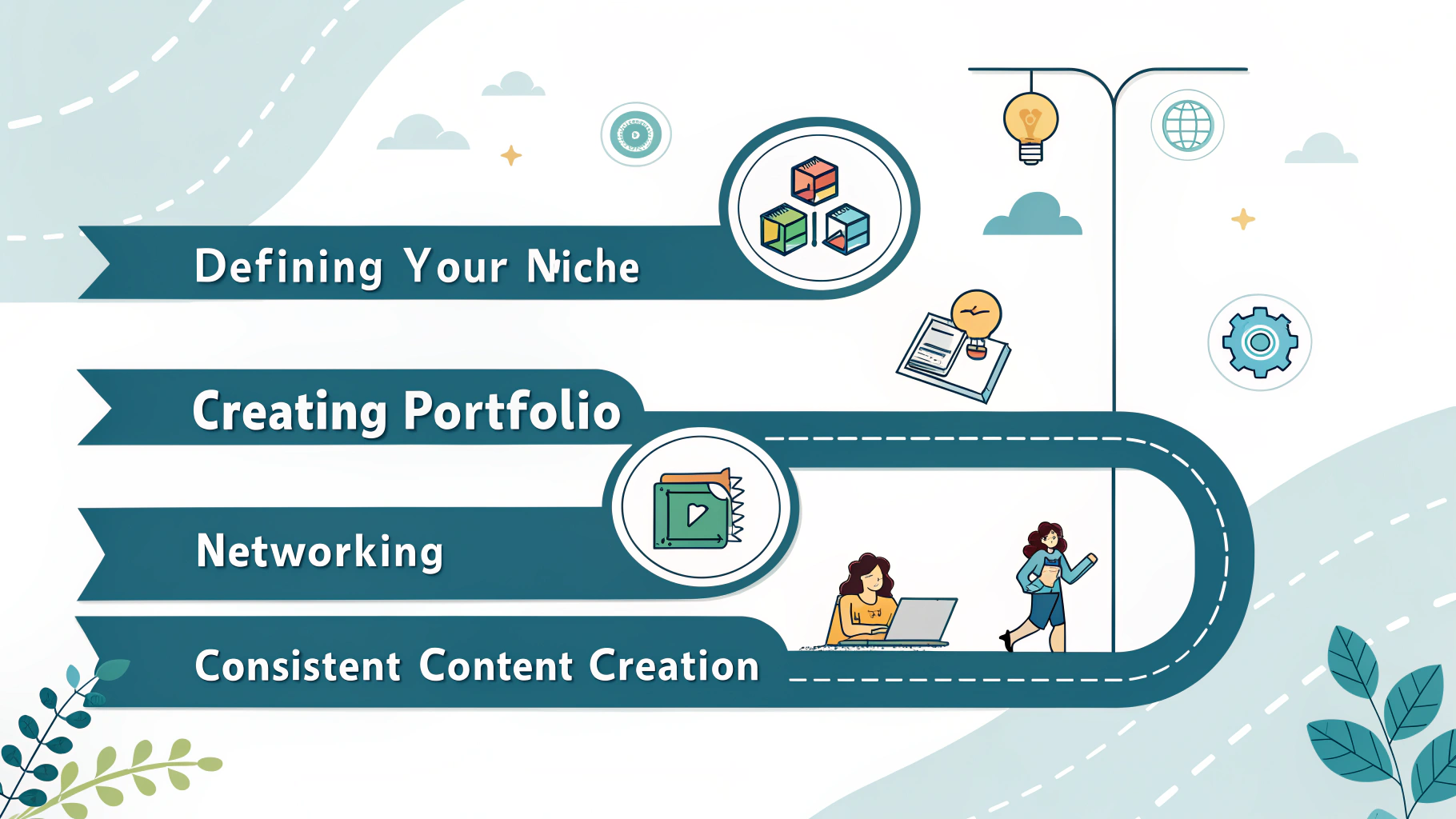
Understand Your Unique Value Proposition
Before you start building your personal brand, it’s crucial to understand what sets you apart from other freelancers. Your unique value proposition (UVP) is the foundation of your brand. Ask yourself:
- What skills do I excel at?
- What experiences can I leverage?
- Who is my target audience?
By identifying your UVP, you can tailor your messaging and services to attract the right clients.
Create a Professional Online Presence
Your online presence is often the first impression potential clients will have of you. Here are some key components to consider:
Build a Portfolio Website
A portfolio website showcases your work and demonstrates your expertise. Make sure it includes:
- Your bio and professional background
- Samples of your work
- Client testimonials
- Contact information
Leverage Social Media
Social media platforms are powerful tools for building your personal brand. Choose platforms that align with your target audience and engage with them regularly. Share valuable content, insights, and updates about your work. Platforms like LinkedIn, Instagram, and Twitter can be particularly effective for freelancers.
Network and Collaborate
Networking is a vital aspect of building your personal brand. Connect with other freelancers, potential clients, and industry leaders. Attend workshops, webinars, and industry events to expand your network. Collaboration can also enhance your brand visibility. Consider partnering with other freelancers on projects or guest posting on their blogs.
Establish Thought Leadership
Positioning yourself as a thought leader in your niche can significantly boost your personal brand. Here are some ways to establish authority:
- Write articles or blogs on topics relevant to your field.
- Speak at industry events or webinars.
- Participate in podcasts or interviews.
By sharing your knowledge, you build credibility and attract clients who value your expertise.
Maintain Consistency Across All Platforms
Consistency is key in branding. Ensure that your messaging, visuals, and tone of voice are uniform across all platforms. This includes your website, social media profiles, and any marketing materials. A cohesive brand identity helps build trust with your audience.
Seek Feedback and Adapt
Building a personal brand is an ongoing process. Regularly seek feedback from clients and peers to understand how your brand is perceived. Be open to making adjustments based on this feedback. Adaptability can help you stay relevant in a constantly evolving freelance market.
Promote Your Brand
Once you have established your personal brand, it’s time to promote it. Consider the following strategies:
- Utilize email marketing to keep your audience updated.
- Engage in online communities related to your niche.
- Invest in paid advertising if it aligns with your goals.
For more insights into building a side hustle, check out How to build an AI side hustle without coding and explore ways to build and sell AI-generated digital products.
Related Articles
Frequently Asked Questions
What is a personal brand?
A personal brand is the perception that others have of you based on your skills, experiences, and online presence.
How can I promote my personal brand?
You can promote your personal brand through social media, networking, content creation, and maintaining a professional online presence.
Is it important to have a portfolio?
Yes, a portfolio showcases your work and demonstrates your skills, making it easier for potential clients to evaluate your capabilities.