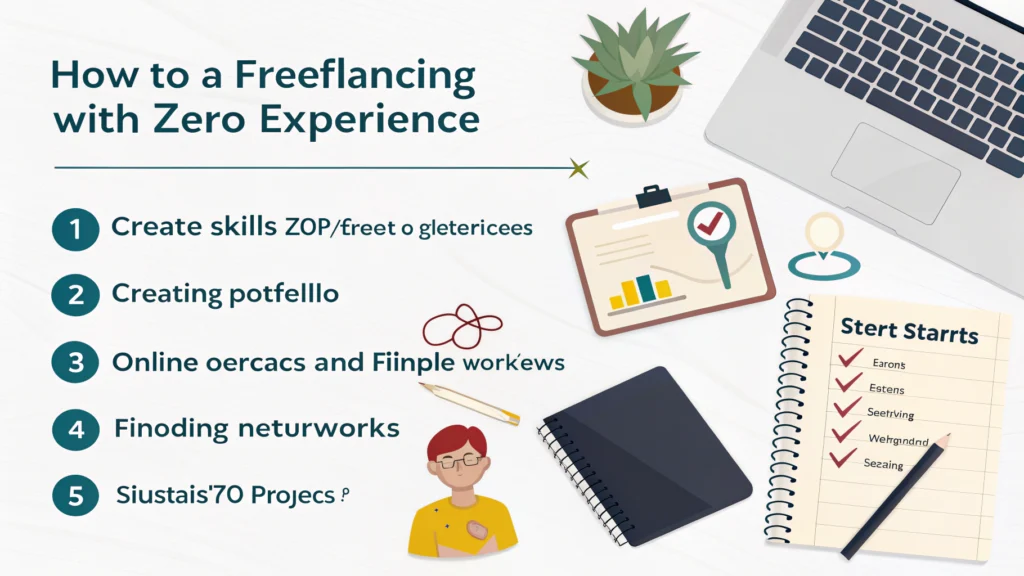
Freelancing and remote work have transformed the way we approach our careers. With the advancement of technology and a shift in workplace culture, more individuals are choosing to work independently or from the comfort of their homes. This article delves into the benefits, challenges, and strategies for thriving in the freelance and remote work landscape.

Understanding Freelancing
Freelancing refers to working independently, typically on a project or contract basis. Freelancers offer their skills and services to various clients without being tied to a single employer.
Benefits of Freelancing
- Flexibility: Freelancers can choose their hours and work from anywhere.
- Diverse Opportunities: They can work on various projects across different industries.
- Control Over Income: Freelancers can set their rates and take on as many projects as they want.
The Rise of Remote Work
Remote work allows employees to perform their job duties from outside the traditional office environment. This model has gained popularity, especially in the wake of recent global events.
Advantages of Remote Work
- Work-Life Balance: Remote work can lead to a better balance between personal and professional life.
- Cost Savings: Employees save on commuting and other daily expenses.
- Access to Global Talent: Companies can hire the best talent regardless of location.
Challenges Faced by Freelancers and Remote Workers
While freelancing and remote work offer numerous benefits, they also come with their own set of challenges.
Common Challenges
- Isolation: Working alone can sometimes lead to feelings of loneliness.
- Inconsistent Income: Freelancers may experience fluctuations in their earnings.
- Distractions at Home: Remote workers may find it challenging to maintain focus.
Strategies for Success
To thrive as a freelancer or remote worker, consider implementing the following strategies:
Establish a Routine
Creating a daily schedule can help maintain productivity and ensure a clear separation between work and personal time.
Utilize Technology
Leverage tools and platforms that facilitate communication and project management. For instance, using AI to speed up freelancing work can enhance efficiency and productivity.
Network Actively
Building a strong professional network can lead to new opportunities and collaborations. Attend virtual events and engage with others in your field.
Future Trends in Freelancing and Remote Work
The landscape of freelancing and remote work is constantly evolving. Here are some trends to watch:
- Increased Use of AI: As technology advances, AI tools are transforming how freelancers and remote workers operate. Explore how AI is changing online earning opportunities.
- Focus on Mental Health: Companies are becoming more aware of the mental health challenges faced by remote workers.
- Hybrid Work Models: Many organizations are adopting hybrid models that combine remote and in-office work.
Related Articles
Frequently Asked Questions
What skills are essential for freelancers?
Essential skills include self-discipline, time management, and expertise in your chosen field.
How can I find freelance work?
You can find freelance work through online platforms, networking, and social media.
Is remote work suitable for everyone?
While remote work offers many benefits, it may not be suitable for everyone. It depends on individual work styles and preferences.