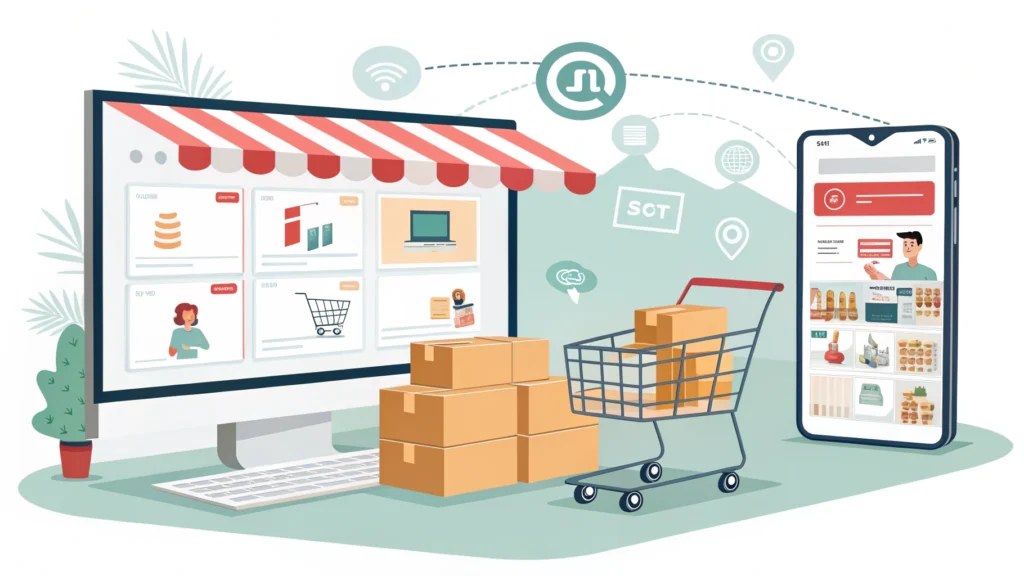
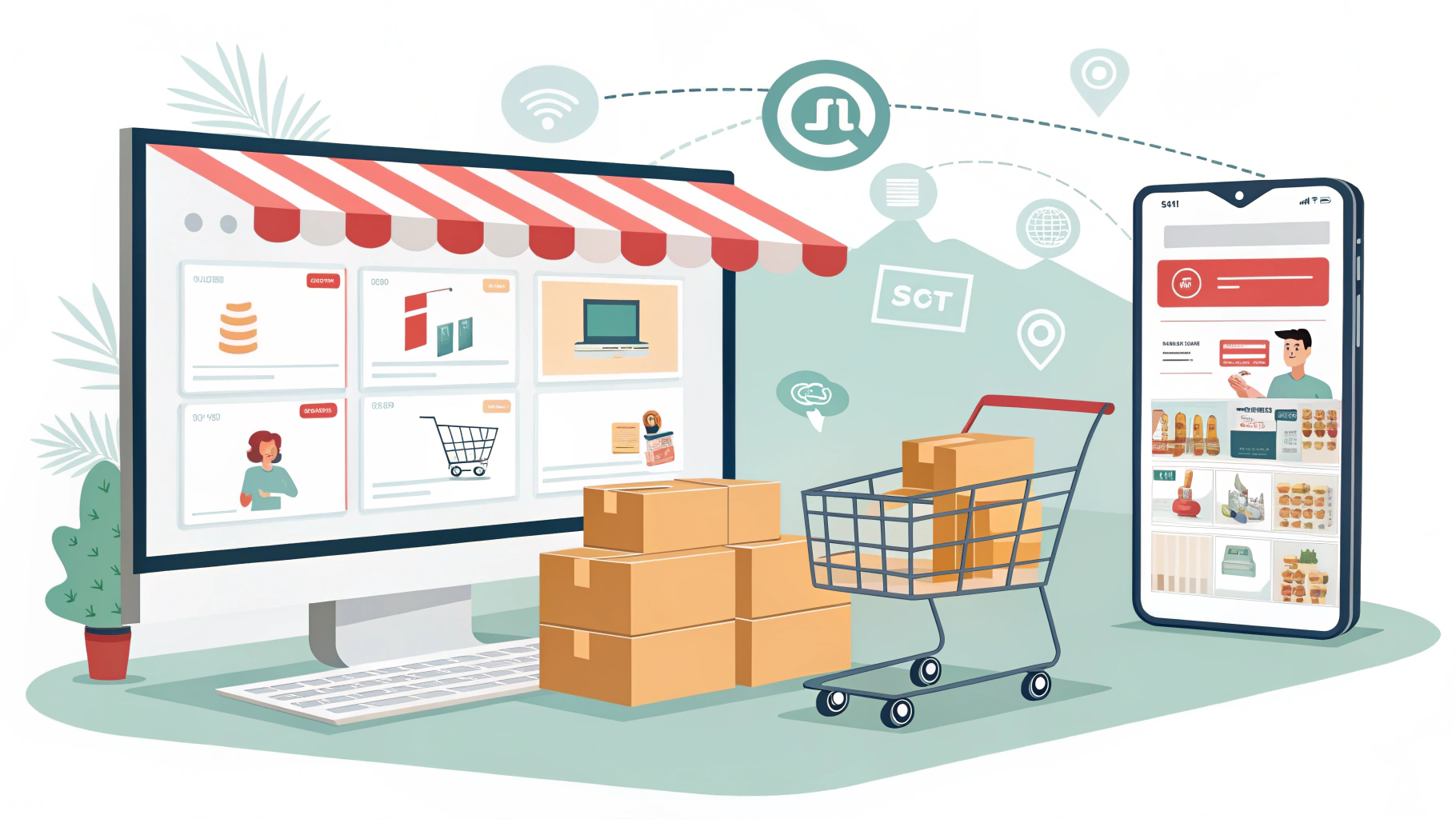
Dropshipping has become a popular business model for aspiring entrepreneurs. It allows you to sell products without holding any inventory, making it a low-risk way to enter the e-commerce world. In this guide, we will walk you through the essential steps to launch your own dropshipping store successfully.
Step 1: Choose Your Niche
The first step in launching a dropshipping store is selecting a niche. A niche is a specific segment of the market that you want to focus on. Here are some tips to help you choose:
- Research Trends: Use tools like Google Trends to find popular products.
- Consider Your Interests: Choose a niche that you are passionate about.
- Analyze Competitors: Look at other dropshipping stores to see what they are selling.
Step 2: Conduct Market Research
Once you have a niche in mind, conduct thorough market research. Understand your target audience and their needs. Here are some methods to conduct market research:
- Surveys: Create surveys to gather feedback from potential customers.
- Social Media: Use platforms like Facebook and Instagram to gauge interest.
- Keyword Research: Use tools like SEMrush or Ahrefs to identify search volume for your niche.
Step 3: Choose a Dropshipping Supplier
Your supplier is crucial to your dropshipping business. They will handle the inventory and shipping. Here are some popular dropshipping suppliers:
- AliExpress: A vast marketplace with countless products.
- Oberlo: Integrates with Shopify for easy product import.
- SaleHoo: A directory of verified suppliers.
Step 4: Set Up Your Online Store
Now it’s time to build your online store. You can use platforms like Shopify, WooCommerce, or BigCommerce. Follow these steps:
- Choose a Domain Name: Pick a name that reflects your brand.
- Select a Theme: Choose a professional theme that suits your niche.
- Add Products: Import products from your supplier.
Step 5: Optimize for SEO
Search engine optimization (SEO) is vital for driving organic traffic to your store. Here are some SEO tips:
- Keyword Optimization: Use relevant keywords in product descriptions.
- Meta Tags: Write compelling meta descriptions and titles.
- Content Marketing: Consider starting a blog to attract visitors.
Step 6: Set Up Payment Methods
To start selling, you need to set up payment methods. Common options include:
- PayPal: A widely used payment processor.
- Stripe: Great for credit card transactions.
- Shopify Payments: Integrated payment option for Shopify users.
Step 7: Launch Your Store
With everything set up, it’s time to launch your store. Before going live, ensure that:
- You have tested the checkout process.
- All product pages are optimized.
- Your marketing strategy is in place.
Step 8: Market Your Store
After launching, you need to drive traffic to your store. Here are some effective marketing strategies:
- Social Media Marketing: Promote your products on platforms like Instagram and Facebook.
- Email Marketing: Build an email list and send newsletters to your subscribers.
- Content Marketing: Create valuable content that attracts potential customers. For more insights, check out 🛍️ E-commerce, Dropshipping & Digital Stores.
Step 9: Analyze and Optimize
Once your store is live, continuously analyze its performance. Use tools like Google Analytics to track visitors and sales. Optimize your store based on data to improve conversions.
Related Articles
- How to earn recurring commissions from affiliate programs
- How to use Pinterest for affiliate marketing
Frequently Asked Questions
What is dropshipping?
Dropshipping is a retail fulfillment method where a store doesn’t keep the products it sells in stock. Instead, it purchases the item from a third party and has it shipped directly to the customer.
Do I need a business license to start dropshipping?
Yes, depending on your location, you may need a business license or a seller’s permit to operate legally.
How much does it cost to start a dropshipping store?
The cost can vary, but you can start with as little as a few hundred dollars for a domain, hosting, and marketing.