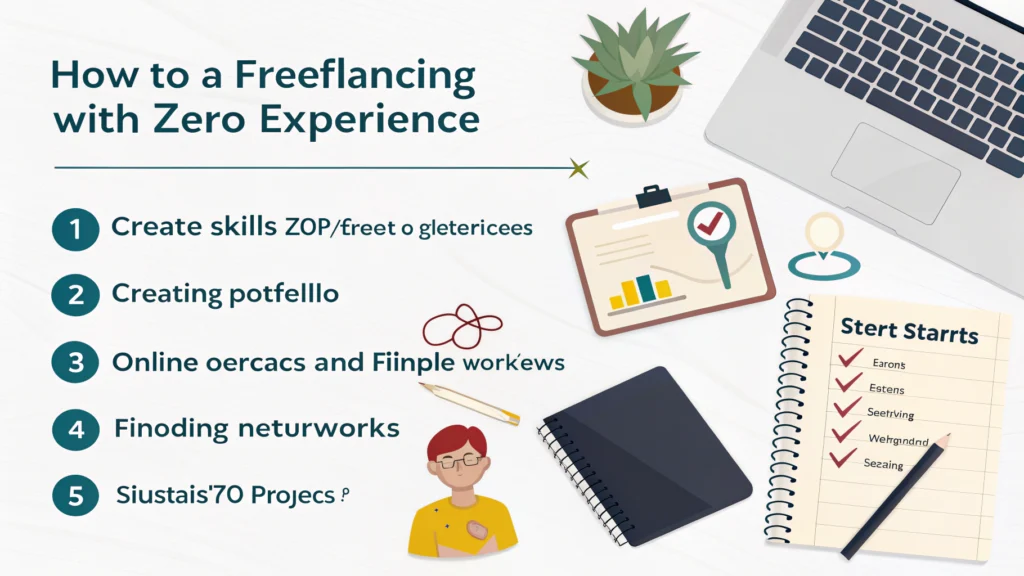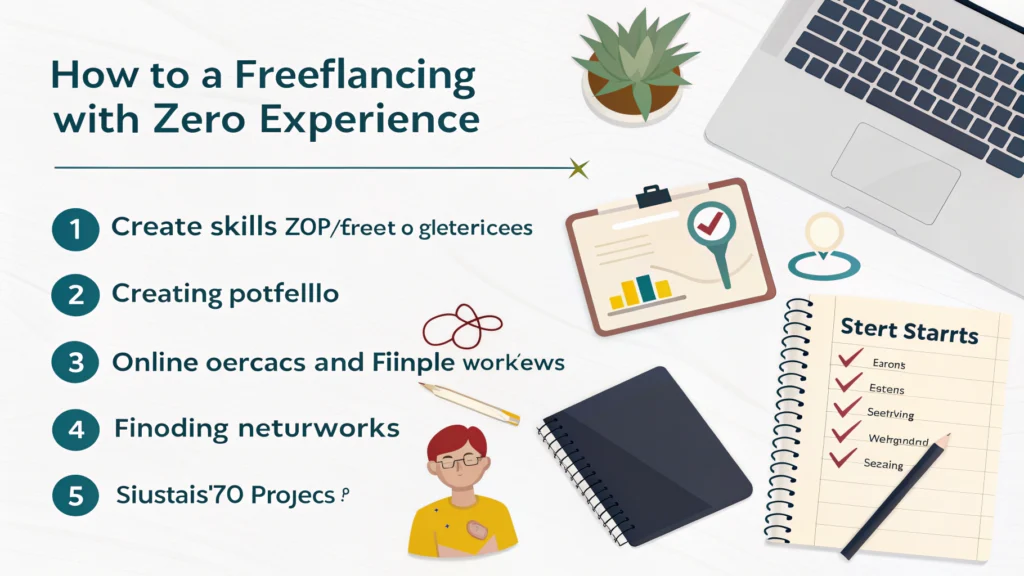
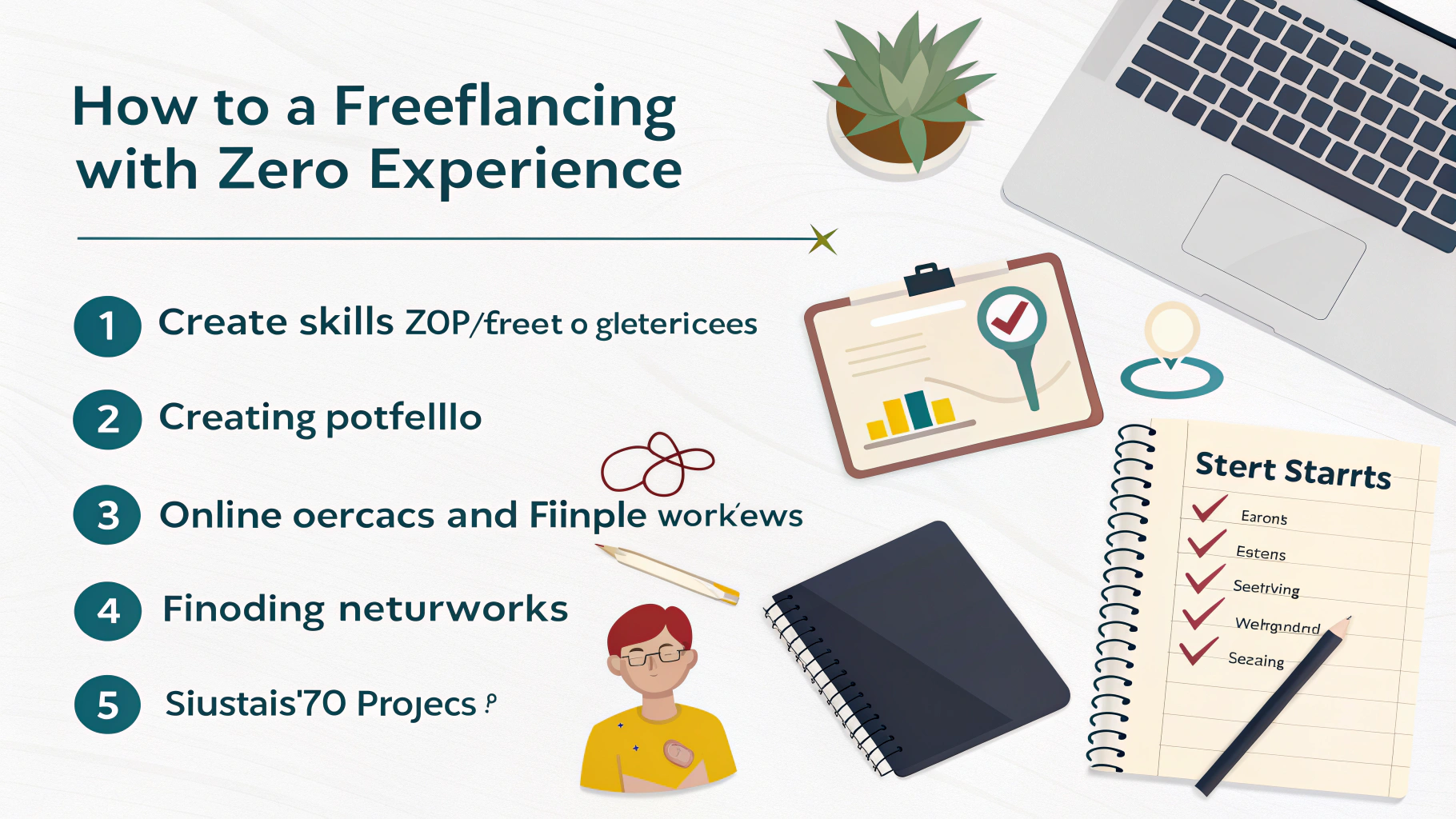
Starting a freelance career can be both exciting and daunting, especially when it comes to choosing the right niche. The niche you select can significantly impact your success, income, and job satisfaction. In this article, we will explore various strategies to help you identify the best niche for your freelancing journey.
Understanding Your Interests and Skills
The first step in choosing a niche is to assess your interests and skills. Reflect on what you enjoy doing and where your strengths lie. This process not only helps you stay motivated but also allows you to leverage your existing skills.
- Make a List: Write down your skills, hobbies, and areas of expertise.
- Evaluate Your Passion: Consider what you love to do in your free time.
- Seek Feedback: Ask friends or colleagues what they think your strengths are.
Research Market Demand
Once you have a list of potential niches, the next step is to research market demand. Understanding what clients are looking for is crucial to your success as a freelancer.
- Use Online Tools: Platforms like Google Trends and keyword research tools can help you gauge interest in specific niches.
- Explore Freelance Platforms: Websites like Upwork and Fiverr can show you which services are in high demand.
- Analyze Competitors: Look at successful freelancers in your potential niche to understand their services and pricing.
Identifying Profitable Niches
Not all niches are created equal when it comes to profitability. It’s essential to find a balance between your interests and market demand.
- High-Demand Niches: Some popular niches include web development, graphic design, digital marketing, and content writing.
- Emerging Niches: Consider exploring emerging fields like AI content creation or virtual reality.
- Seasonal Niches: Some niches may have seasonal demand, so be aware of trends that might affect your work.
Testing Your Niche
Before fully committing to a niche, it’s wise to test the waters. This can help you determine if it’s the right fit for you.
- Freelance Projects: Take on small projects in your chosen niche to gain experience.
- Networking: Connect with other freelancers and clients to get insights and advice.
- Build a Portfolio: Start creating a portfolio showcasing your work to attract potential clients.
Marketing Yourself
Once you have chosen your niche, it’s time to market yourself effectively. Building a personal brand is crucial in the freelance world.
- Create a Website: A professional website can serve as your online portfolio and help you attract clients.
- Utilize Social Media: Leverage platforms like LinkedIn, Instagram, or Twitter to showcase your skills.
- Networking: Attend industry events and engage with online communities to expand your reach.
Continuous Learning and Adaptation
The freelance landscape is constantly evolving. As a beginner freelancer, it’s essential to stay updated and adapt to changes.
- Take Courses: Online courses can help you enhance your skills and stay competitive.
- Join Forums: Engage in forums related to your niche to learn from others and share experiences.
- Seek Mentorship: Finding a mentor can provide valuable insights and guidance.
As you embark on your freelancing journey, remember that choosing the right niche is a foundational step. It can set the stage for a fulfilling and successful career. For more insights, check out How I built a niche website that earns passively and Best real success stories of online earners in 2025.
Related Articles
- Step-by-step challenge: Earn ₹5000 in one week online
- How I built a niche website that earns passively
Frequently Asked Questions
How do I know if my niche is profitable?
Research market demand using tools like Google Trends and analyze competitors in your niche.
Can I change my niche later?
Yes, many freelancers change their niches as they gain experience and discover new interests.
What if I have multiple interests?
You can start with one niche and gradually expand into others as you build your freelance career.