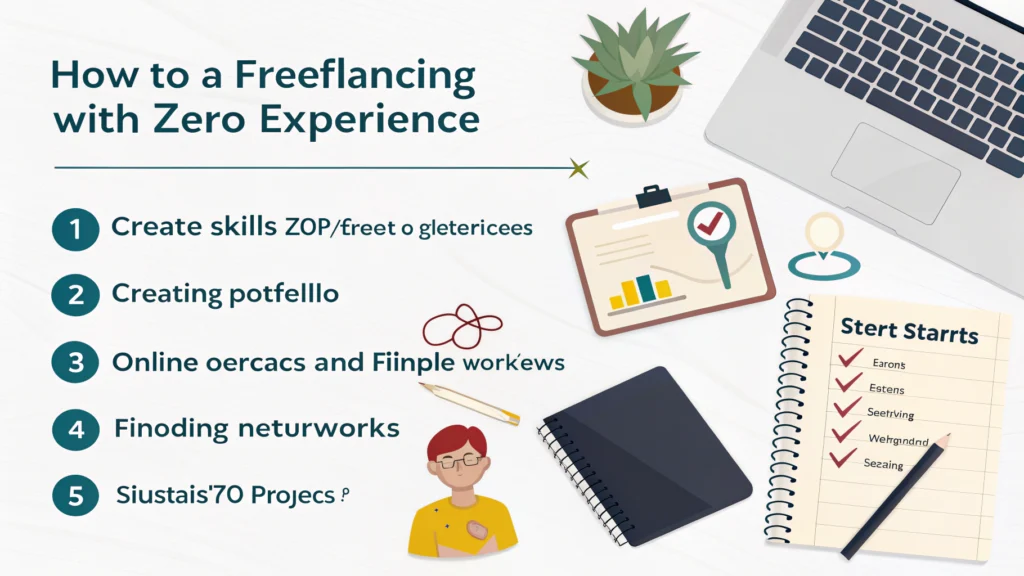
Are you dreaming of becoming a freelance writer but feel held back by a lack of experience? You’re not alone. Many aspiring writers face this challenge, but the good news is that starting a freelance writing career is entirely possible, even without prior experience. In this guide, we will explore practical steps to help you launch your freelance writing journey successfully.

Understanding Freelance Writing
Freelance writing encompasses a wide range of writing tasks, from blog posts and articles to copywriting and technical writing. Understanding the different types of freelance writing can help you choose a niche that aligns with your interests and skills.
Types of Freelance Writing
- Blog Writing
- Content Writing
- Copywriting
- Technical Writing
- Creative Writing
Identifying your preferred writing niche is crucial. This focus will guide your efforts and help you tailor your portfolio accordingly.
Building Your Skills
Even if you have no formal writing experience, you can develop your skills through various means:
- Online Courses: Consider enrolling in writing courses on platforms like Coursera or Udemy.
- Writing Practice: Start a blog or journal to practice writing regularly.
- Reading: Read widely to understand different writing styles and techniques.
Practice is essential. The more you write, the better you’ll become. Don’t hesitate to experiment with different styles and formats.
Creating a Portfolio
Your portfolio is your calling card as a freelance writer. It showcases your writing samples and demonstrates your skills to potential clients. Here’s how to create an impressive portfolio:
- Start a Blog: Use platforms like WordPress to publish your writing.
- Guest Posts: Write guest posts for established blogs to gain exposure.
- Spec Work: Create sample pieces in your chosen niche, even if they are not commissioned.
Make sure to include a variety of writing samples that highlight your versatility and expertise.
Finding Freelance Writing Opportunities
Once you have your portfolio ready, it’s time to look for writing gigs. Here are some effective strategies:
- Freelance Job Boards: Websites like Upwork, Freelancer, and Fiverr are great places to find gigs.
- Networking: Connect with other writers and potential clients through social media and writing communities.
- Cold Pitching: Reach out to businesses or blogs that align with your niche and offer your writing services.
Persistence is key. It may take time to land your first few gigs, but don’t get discouraged.
Marketing Yourself
As a freelancer, you are also your own marketer. Here are some tips to effectively promote your writing services:
- Social Media: Use platforms like LinkedIn and Twitter to share your work and connect with potential clients.
- Personal Website: Create a professional website to showcase your portfolio and services.
- Networking Events: Attend writing workshops or conferences to meet industry professionals.
By actively marketing yourself, you can increase your visibility and attract more clients.
Learning About SEO and Content Strategy
Understanding SEO (Search Engine Optimization) can significantly enhance your freelance writing career. It helps you write content that ranks well on search engines, making it more valuable to clients. For a deeper dive into SEO, check out this article on how to go from 0 to 1000 monthly visitors with SEO.
Writing Proposals That Get Noticed
When applying for freelance gigs, your proposal is your chance to impress potential clients. Here are some tips for writing effective proposals:
- Personalize Your Proposal: Address the client by name and reference their project specifically.
- Showcase Your Skills: Include relevant writing samples that demonstrate your expertise.
- Be Clear and Concise: Outline your approach and timeline clearly.
For more insights on crafting compelling proposals, read this guide on how to write proposals that clients actually respond to.
Setting Your Rates
Determining how much to charge can be challenging, especially when you’re starting. Research industry standards for your niche and consider your experience level. As you gain experience and build a client base, you can gradually increase your rates.
Related Articles
- 20 high-income remote jobs that don’t require a degree
- How to write proposals that clients actually respond to
Frequently Asked Questions
Can I become a freelance writer without a degree?
Yes, many successful freelance writers do not have formal degrees. Skills and a strong portfolio are more important.
How do I find clients as a new freelance writer?
You can find clients through job boards, networking, and cold pitching to businesses.
What should I include in my writing portfolio?
Include a variety of writing samples that showcase your skills and versatility in different formats.