As the landscape of work continues to evolve, freelancing and remote work have become more than just trends; they are now integral parts of the global economy. This article dives into advanced topics surrounding these fields, offering insights and strategies for those looking to enhance their freelancing careers or adapt to remote work environments. Whether you’re a seasoned freelancer or new to remote work, understanding these advanced concepts can significantly impact your success.

Understanding the Freelancing Landscape
The freelancing landscape has transformed dramatically in recent years. With the rise of digital platforms, freelancers now have access to a global market. However, this also means increased competition. To stand out, freelancers must adopt advanced strategies.
Building a Personal Brand
Your personal brand is crucial in the freelancing world. It’s not just about the services you offer but how you present yourself. A strong personal brand can lead to more clients and higher rates.
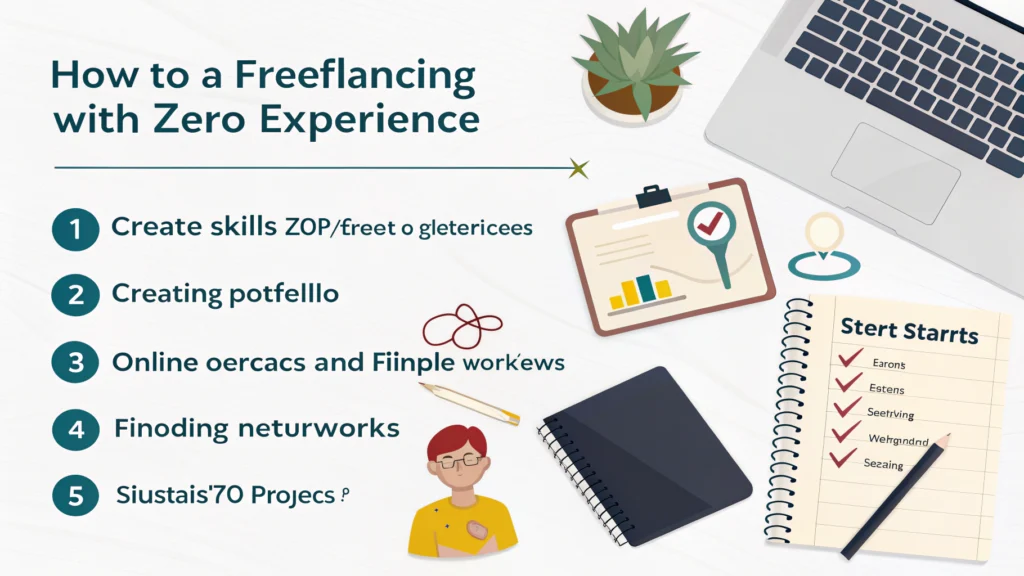
- Define Your Niche: Specialize in a specific area to attract targeted clients.
- Create a Portfolio: Showcase your best work to demonstrate your skills.
- Engage on Social Media: Use platforms like LinkedIn to connect with potential clients.
The Role of Technology in Freelancing
Technology plays a pivotal role in enhancing productivity and efficiency for freelancers. With the right tools, you can streamline your workflow and manage your time better.
Essential Tools for Freelancers
Here are some tools that can help you manage your freelancing business more effectively:
- Project Management Software: Tools like Trello or Asana help keep your projects organized.
- Time Tracking: Use tools like Toggl to track billable hours accurately.
- Invoicing Solutions: Services like FreshBooks simplify billing and payments.
Leveraging AI in Freelancing
Artificial Intelligence is revolutionizing the way freelancers work. From automating mundane tasks to providing insights into market trends, AI can significantly enhance your productivity.
For instance, you can use AI to speed up freelancing work by automating repetitive tasks, allowing you to focus on creative aspects. Furthermore, how AI is changing online earning opportunities can provide freelancers with new avenues to explore.
Remote Work Best Practices
Transitioning to remote work can be challenging. However, adopting best practices can help you thrive in a virtual environment.
Creating an Effective Workspace
Your physical workspace can greatly affect your productivity. Here are some tips for creating an effective remote workspace:
- Designate a Specific Area: Choose a quiet space free from distractions.
- Invest in Ergonomics: A comfortable chair and desk can improve your focus.
- Minimize Distractions: Use apps that block distracting websites during work hours.
Time Management Strategies
Effective time management is crucial for remote workers. Consider the following strategies:
- Set Clear Goals: Define daily and weekly objectives to stay on track.
- Use Time Blocks: Allocate specific times for tasks to enhance focus.
- Take Breaks: Regular breaks help maintain productivity and prevent burnout.
Networking in a Digital World
Networking is essential for freelancers and remote workers. Building relationships can lead to new opportunities and collaborations.
Online Networking Techniques
Here are some effective online networking techniques:
- Join Online Communities: Participate in forums and groups related to your niche.
- Attend Virtual Events: Webinars and online conferences can help you connect with industry leaders.
- Follow Up: After meeting someone new, send a follow-up message to keep the connection alive.
Future Trends in Freelancing and Remote Work
The future of freelancing and remote work looks promising. Here are some trends to watch:
- Increased Demand for Flexibility: More companies are adopting flexible work arrangements.
- Growth of the Gig Economy: Freelancing will continue to grow as more people seek independence.
- Integration of Advanced Technologies: AI and automation will play a significant role in shaping the future of work.
Conclusion
Freelancing and remote work are here to stay. By embracing advanced strategies and leveraging technology, you can enhance your career and adapt to the changing landscape of work. Stay informed, keep learning, and don’t hesitate to explore new opportunities that come your way.
Related Articles
Frequently Asked Questions
What are the benefits of freelancing?
Freelancing offers flexibility, the ability to choose projects, and the potential for higher earnings.
How can I find clients as a freelancer?
Utilize online platforms, social media, and networking events to connect with potential clients.
What skills are essential for remote work?
Key skills include time management, communication, and self-motivation.