E-commerce has revolutionized the way we shop, offering convenience and accessibility like never before. Among the various models, dropshipping and digital stores have emerged as popular choices for entrepreneurs looking to enter the online marketplace. In this article, we will explore what e-commerce is, delve into dropshipping, and discuss the dynamics of digital stores. Whether you’re a seasoned seller or a newcomer, this guide will provide valuable insights to enhance your online business journey.
Understanding E-commerce
E-commerce, or electronic commerce, refers to the buying and selling of goods and services over the internet. It encompasses a wide range of activities, including:
- Online retail (B2C)
- Wholesale (B2B)
- Consumer-to-consumer (C2C)
- Business-to-government (B2G)
The growth of e-commerce has been fueled by advancements in technology, changing consumer habits, and the global reach of the internet. In 2023, e-commerce sales are projected to surpass $6 trillion, highlighting its significance in the global economy.
Dropshipping: A Low-Risk E-commerce Model
Dropshipping is a retail fulfillment method that allows entrepreneurs to sell products without holding any inventory. Here’s how it works:
- The seller lists products on their online store.
- When a customer makes a purchase, the seller forwards the order to a third-party supplier.
- The supplier ships the product directly to the customer.
This model has several advantages, including:
- Low startup costs: No need to invest in inventory upfront.
- Flexibility: Sellers can easily add or remove products.
- Reduced risk: If a product doesn’t sell, there’s no financial loss.
However, dropshipping also has its challenges, such as lower profit margins and reliance on suppliers for product quality and shipping times.
Getting Started with Dropshipping
To successfully launch a dropshipping business, consider the following steps:
- Choose a niche: Focus on a specific market to cater to.
- Find reliable suppliers: Research and partner with reputable suppliers.
- Create an online store: Use platforms like Shopify or WooCommerce.
- Market your products: Utilize social media, SEO, and paid ads.
For more insights on marketing strategies, check out How to use Pinterest for affiliate marketing.
Digital Stores: The Future of Retail
Digital stores are online platforms where consumers can purchase products or services directly. They can range from large marketplaces like Amazon to niche boutiques. Here are some key features of digital stores:
- User-friendly interface: Easy navigation enhances the shopping experience.
- Mobile optimization: Many consumers shop via smartphones.
- Secure payment options: Ensuring customer data protection is crucial.
With the rise of digital stores, businesses must adapt to changing consumer preferences. Offering personalized experiences, fast shipping, and excellent customer service can set you apart in a competitive market.
Benefits of Running a Digital Store
Operating a digital store comes with numerous advantages:
- Global reach: Sell to customers around the world.
- Lower overhead costs: No physical storefront reduces expenses.
- Data-driven insights: Analyze customer behavior to improve sales strategies.
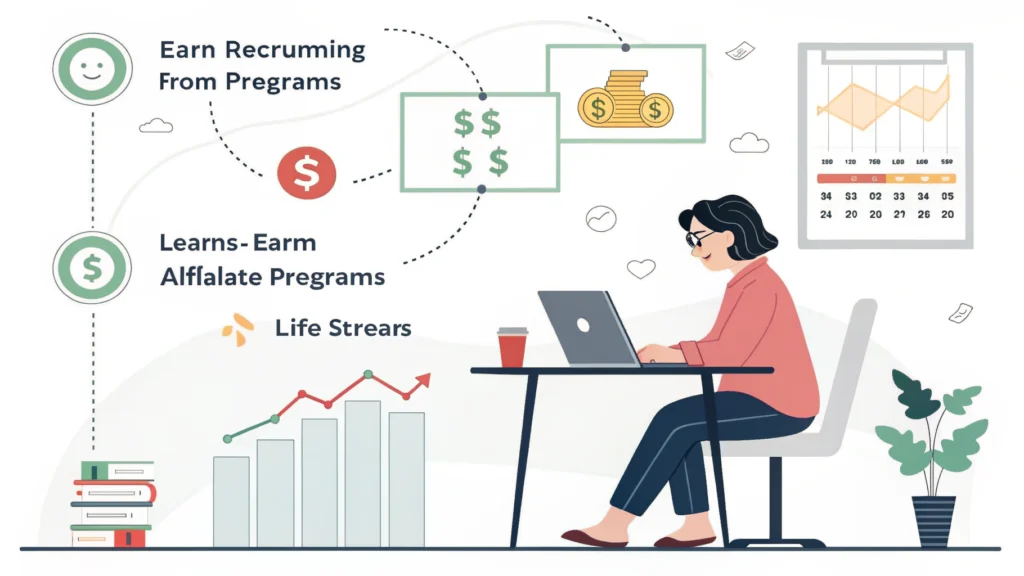
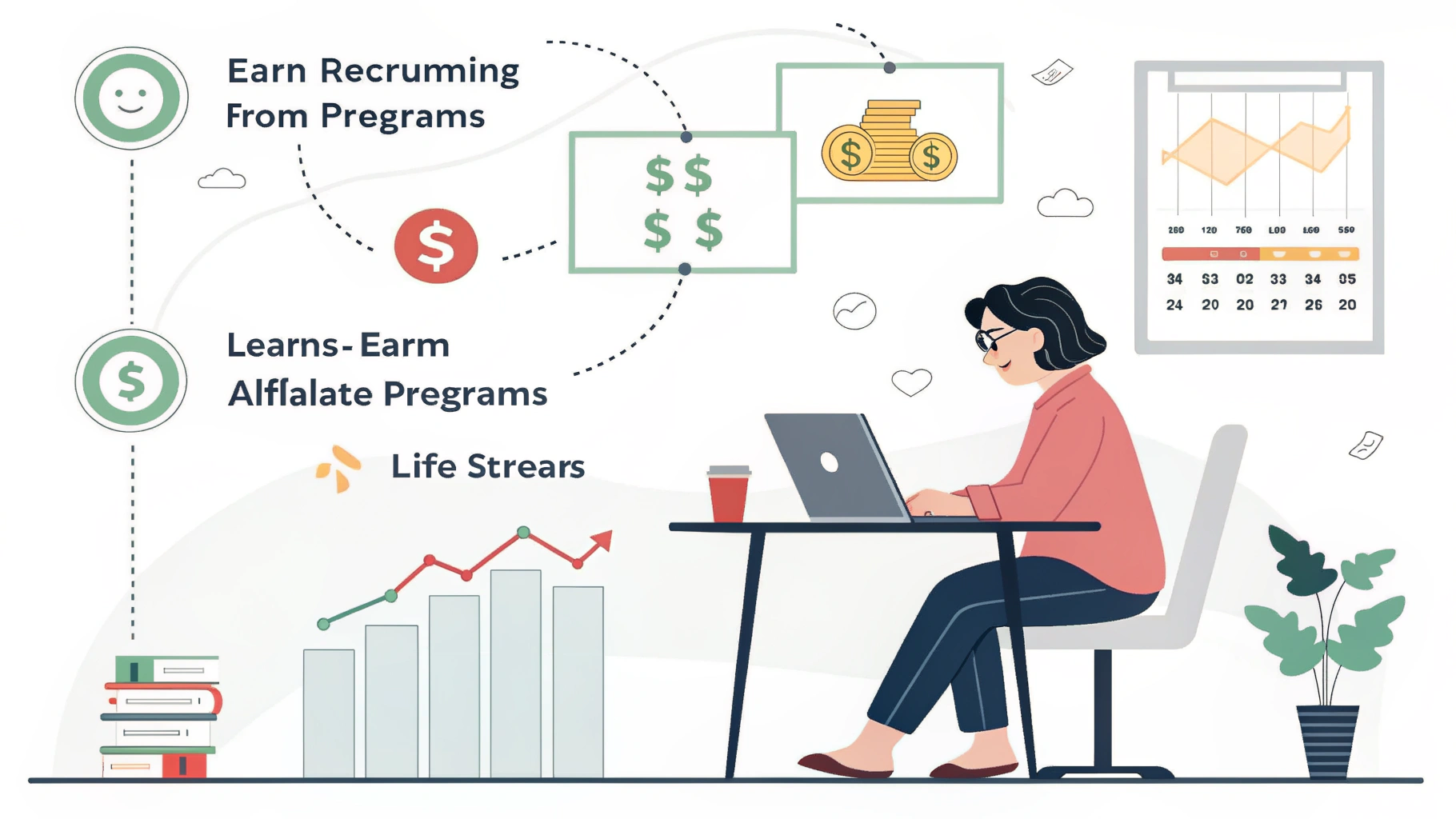
Additionally, integrating affiliate marketing can boost your revenue. Learn more about earning recurring commissions through affiliate programs in this guide: How to earn recurring commissions from affiliate programs.
Challenges in E-commerce
While e-commerce presents exciting opportunities, it also comes with challenges:
- Intense competition: Standing out in a crowded market can be tough.
- Customer trust: Building credibility is essential for success.
- Logistics: Managing shipping and returns can be complex.
To drive traffic to your store without relying solely on social media, explore strategies outlined in How to get traffic without social media.
Related Articles
- How to earn recurring commissions from affiliate programs
- How to use Pinterest for affiliate marketing
Frequently Asked Questions
What is dropshipping?
Dropshipping is a retail fulfillment method where the seller does not hold inventory but instead transfers customer orders to a supplier who ships directly to the customer.
How do I start an e-commerce business?
To start an e-commerce business, choose a niche, find suppliers, create an online store, and implement marketing strategies to attract customers.
What are the benefits of digital stores?
Digital stores provide global reach, lower overhead costs, and data-driven insights that can help improve sales strategies.