Social media affiliate marketing is a powerful way for beginners to monetize their online presence. With millions of users engaging daily, platforms like Instagram, Facebook, and TikTok offer unique opportunities for affiliate marketers. This guide will walk you through the essentials of social media affiliate marketing, helping you to start your journey towards earning money online.
What is Social Media Affiliate Marketing?
Social media affiliate marketing involves promoting products or services through your social media channels. When your followers make a purchase through your affiliate link, you earn a commission. This model is appealing because it allows you to leverage your influence and reach to generate income.
How It Works
Here’s a simple breakdown of the process:
- Join an affiliate program.
- Receive a unique affiliate link.
- Promote products on your social media accounts.
- Earn commissions on sales made through your link.
Choosing the Right Affiliate Program
Not all affiliate programs are created equal. It’s crucial to select one that aligns with your niche and audience. Here are some factors to consider:
- Reputation: Choose programs with a solid reputation and reliable payouts.
- Commission Structure: Look for competitive commission rates and clear payment terms.
- Product Relevance: Ensure the products resonate with your audience’s interests.
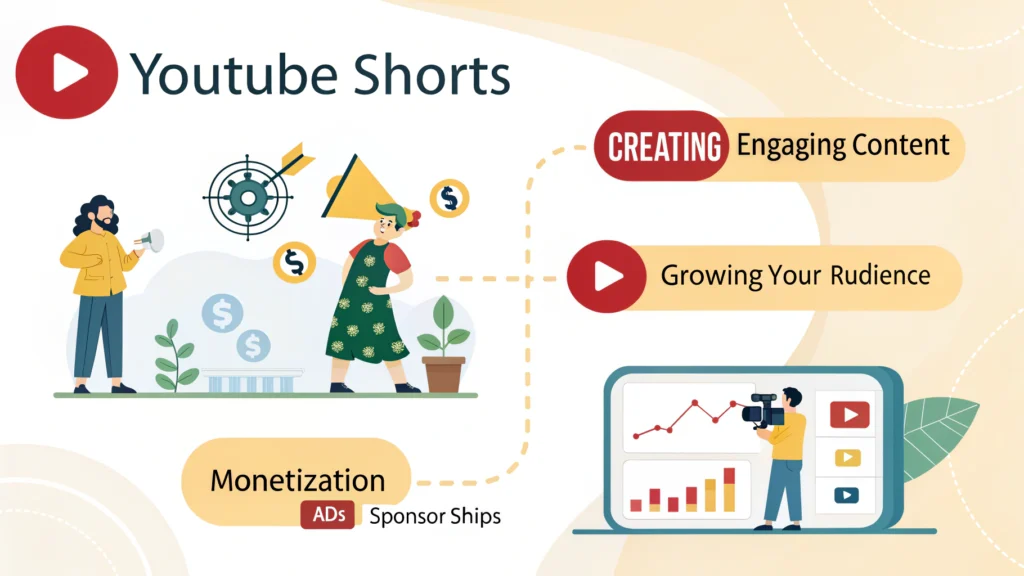
Creating Engaging Content
Content is king in the world of affiliate marketing. You need to create engaging and authentic content that encourages your audience to trust your recommendations. Here are some tips:
- Use high-quality images and videos.
- Share personal experiences with the products.
- Incorporate storytelling to connect with your audience.
For more insights on content creation, check out Content Creation & Social Media.
Utilizing Different Social Media Platforms
Each social media platform has its unique features and audience. Here’s how you can leverage them:
Instagram is visually driven, making it ideal for showcasing products. Use stories, posts, and reels to highlight affiliate products effectively.
Facebook allows for longer posts, making it suitable for detailed reviews and discussions. Join relevant groups to share your affiliate links with a targeted audience.
TikTok
TikTok’s short-form videos can be a fun way to promote products. Creative and entertaining content can go viral, increasing your reach. Learn more about growing your TikTok account in this article: How to grow and monetize a TikTok account.
Tracking Your Performance
To maximize your earnings, it’s essential to track your performance. Use analytics tools provided by affiliate programs and social media platforms to understand what works and what doesn’t. Adjust your strategies accordingly to improve your results.
Common Mistakes to Avoid
Beginners often make mistakes that can hinder their success. Here are some common pitfalls to watch out for:
- Promoting products that don’t align with your audience.
- Overloading your content with affiliate links.
- Neglecting to disclose affiliate relationships.
Building Trust with Your Audience
Trust is vital in affiliate marketing. Always be honest and transparent about your affiliations. Regularly engage with your audience and provide value beyond just promotions. This will help you build a loyal following that is more likely to convert.
Related Articles
Frequently Asked Questions
What is the best platform for affiliate marketing?
The best platform depends on your niche. Instagram and TikTok are great for visual products, while blogs work well for detailed reviews.
How much can I earn from affiliate marketing?
Earnings vary widely. Some affiliates make a few dollars a month, while others can earn thousands, depending on their strategy and audience size.
Do I need a large following to start?
No, you can start with a small but engaged following. Focus on building trust and providing value to your audience.